Decluttering Your Bedroom: A Plan
Bedrooms gather clutter quietly. A storage-first method sorts clothes, bedding, papers, and seasonal items — then matches each category to the right wooden storage.
Decluttering is not about discarding everything; it is about giving every category a permanent home. Work through the categories below in order, and the bedroom goes from “surprising” to organised in a weekend.
Why storage-first beats mess-first
If you start by emptying drawers and shelves, you end up with vague piles and no plan. Storage-first works the other way: define where each category will live before touching it, so sorting becomes “move to its home” rather than “decide what to do with this”. It also forces honesty — if there is no home for something, that is information about whether you need it.
Category 1: Clothes
Clothes dominate bedroom clutter. Sort into four groups first: keep, seasonal, donate, and the honest “repair or re-home” pile. Then match storage:
- Hang what creases or benefits from hanging — dresses, jackets, shirts.
- Fold everything else into drawers on their edges, like filing, so nothing hides at the bottom.
- Seasonal (coats, heavy knitwear, summer linens) belong in the highest shelf or under the bed — the places reachable twice a year.
A tip that prevents future mess: put a mirror or a pair of reading glasses in each clothes zone. The small friction point is what stops you putting things away.
Category 2: Bedding
Sheets, duvets, and spare pillows multiply. The rule: keep at most two sets per bed in rotation, plus one spare set, and nothing else. Extra duvets and pillow sets belong with seasonal clothes — in the under-bed storage or the top shelf, sealed in breathable (never plastic) bags so textiles can breathe.
A storage bed with drawers or a lift top turns this whole category invisible. See the bedroom furniture guide for what to check on storage beds.
Category 3: Papers, chargers, and small items
Papers and cables are the clutter that breeds. Give them narrow, shallow homes — a filing drawer for paperwork, a divided drawer or small trays for chargers, keys, and glasses. Shallow drawers matter: they prevent stacking, which is where paper jungle starts.
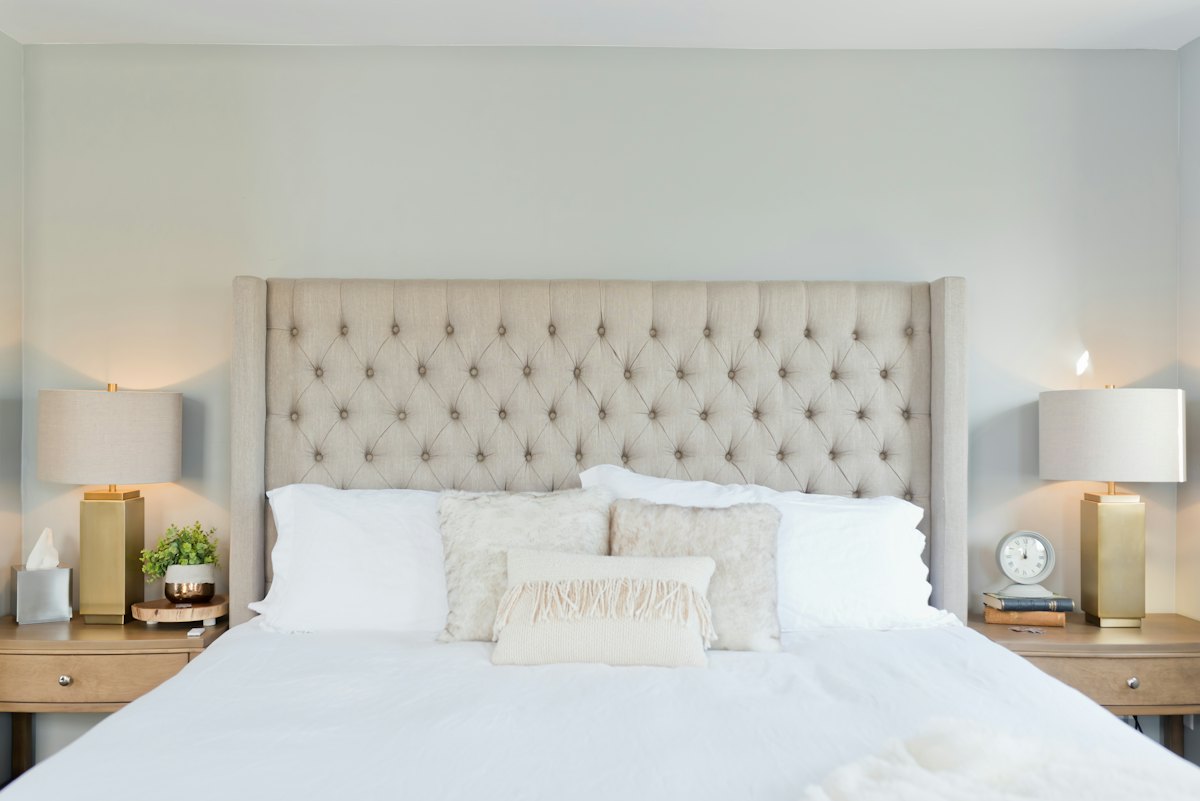
Category 4: Dressers and nightstands
Use furniture that separates daily from occasional. A nightstand should hold tonight’s book, phone, glasses, and a glass of water — not the last three years of magazines. Anything that has been on the nightstand unused for a month gets a new home or a new owner.
Dresser quality matters more than count: deep, full-extension drawers on solid slides turn sorting from a fight into a two-minute job.
The honest donation pile
Somewhere around the second category, most people hit the donation pile. Two honest questions decide everything: “Would I buy this today?” and “Has it been used in the last year?” If the answers are no, the item is not clutter-removal, it is a goodbye — thank it and let it go. The room will not miss it.
What the plan doesn’t do
This is a general organising method, not a professional organizing service, and results vary by household. If a bedroom problem is affecting daily life or is tied to mental health, a professional organizer or counsellor is the right step — see our disclaimer.
Decluttering is not a Thursday project; it is a system. Storage-first simply makes the system visible: everything has a home, so everything can go home.