Bedroom Furniture
Beds, nightstands, dressers, and wardrobes — chosen for how a room is actually lived in, not how it photographs.
The bedroom is a storage room with a bed
Most bedrooms fail because they treat storage as an afterthought. Clothes, shoes, bedding, luggage, papers, and seasonal items all need a permanent home. The smart way to plan is storage-first: decide where every category lives, then bring in the bed.
Bed frames and platform beds
The frame does three jobs: support the mattress, anchor the room, and often hide storage. On support:
- Check the slat or base system. Slats should be closely spaced for foam and latex mattresses (roughly every 8–10 cm or per the mattress warranty's guidance) and the centre rail must be robust for queen-and-larger sizes.
- Solid wood frames with centre support and sturdy joints (Mortise-and-tenon or dowelled, with screws) will not creak under nightly movement; thin glued panels will.
On storage: platform beds with lift tops need gas lifts rated for a mattress plus bedding (commonly 80–120 kg capacity). Beds with base drawers trade an extra 25–30 cm of clearance around the bed for large, useful drawers — worth it in small bedrooms, frustrating if it pinches your only walking line.
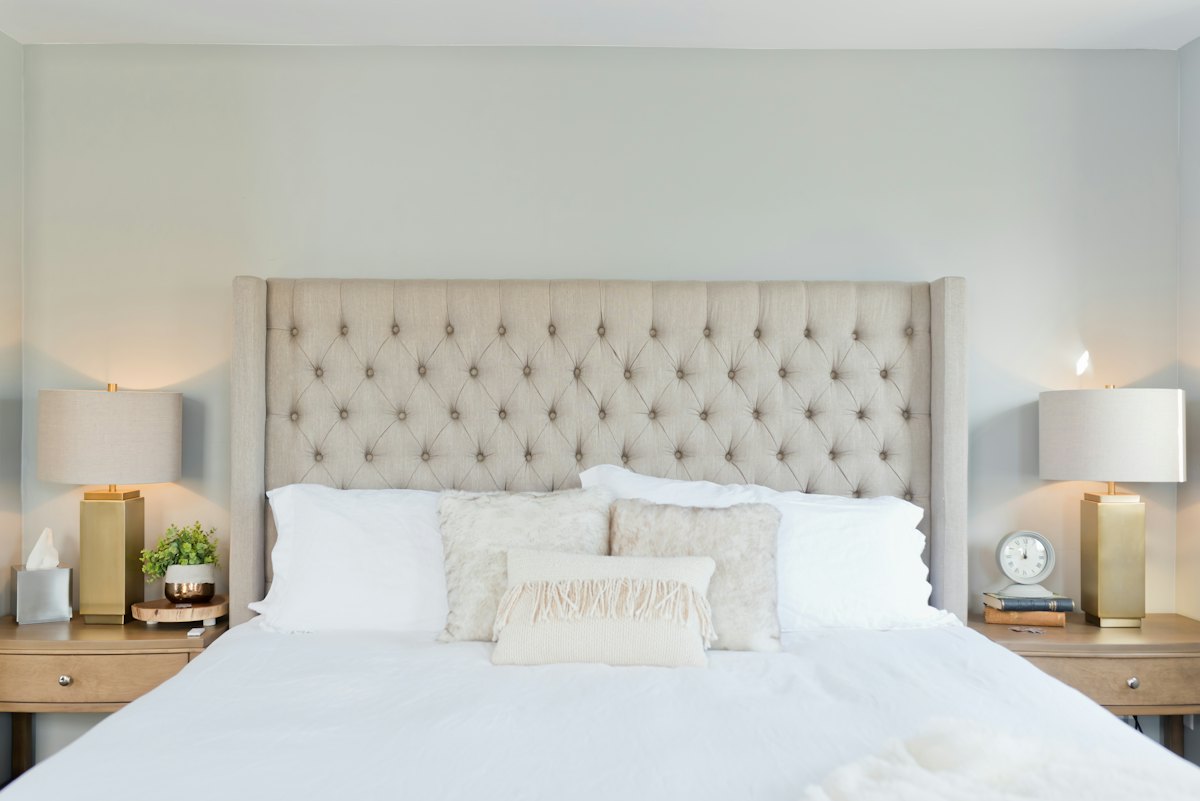
Nightstands: small but demanding
A nightstand gets slammed with cups, phones, books, and chargers. Priorities:
- Height near mattress top so it is reachable from lying down.
- A drawer for small items is more useful than an open shelf at light level, where things collect dust.
- Solid wood or a stable furniture board with a proper finish — water rings appear fast on cheap finishes, so ask about protection.
Dressers, chests, and armoires
Dresser quality lives in the drawers, not the front. Better-check three things:
- Drawer slides and stops — metal runners with stops, or wood-on-wood runners that run true, beat wobbly plastic slides.
- Front/side dovetail joinery — a sign a drawer is built to carry weight; glued-and-nailed fronts loosen first.
- Fully loaded behaviour — a drawer of folded jeans, opened and closed dozens of times a year, needs the glide to stay easy.
For clothes against walls, a wardrobe or armoire with solid back rails and well-seated doors matters more than brand. Hinges should be adjustable, and doors should be braced square so they do not stick as the wood moves with the seasons.
Small bedrooms: built-in versus freestanding
When floor space is precious, a built-in closet range or a floor-to-ceiling wardrobe made from stable engineered board is the single best upgrade — it converts vertical dead space into storage and frees the floor. Freestanding furniture then shrinks to two pieces: bed and dresser.
A useful rule: hang rails at 150–165 cm for most full-length garments, and use adjustable shelf boards so the layout survives changes in what you own.
Materials in the bedroom
Sleeping rooms have moderate humidity swings from windows and vents. Prefer:
- Solid hardwood frames for the bed — the piece that carries the most load.
- Plywood or stable engineered board with quality veneer for wardrobes and wide dressers, where wide solid panels would move and split doors.
- Low-VOC finishes and glues — bedrooms have no air exchange rules; ask what the piece was finished with.
Buy the bed for the mattress you have, the drawers for the clothes you own, and the wardrobe for the wall it stands on. Everything else in a bedroom is decoration.